

I've spent years reviewing the operator side of iGaming — licensing, compliance, payment rails. But one question keeps landing in my inbox from a completely different crowd: "How do I become an online casino agent?" Or its close cousin: "How do I become an online casino dealer?"
Fair questions. The iGaming industry generated over US$95 billion in 2023 according to Statista's global gambling market data, and it needs people to run the tables, manage player accounts, and recruit new customers. The catch? The line between a legitimate career path and a recruitment scam is thinner than most people realize.
Here's what I've found after digging into job boards, interviewing studio managers, and tracking operator hiring pages across multiple jurisdictions.
What Does an Online Casino Agent Actually Do?
The title "online casino agent" means different things depending on who's hiring. In the Philippines and parts of Southeast Asia, an agent is essentially a recruiter — someone who brings new players onto a platform and earns commission on their deposits or losses. Think of it as a micro-affiliate with a personal touch. Agents often use social media, messaging apps, and word-of-mouth to build a network of active players.
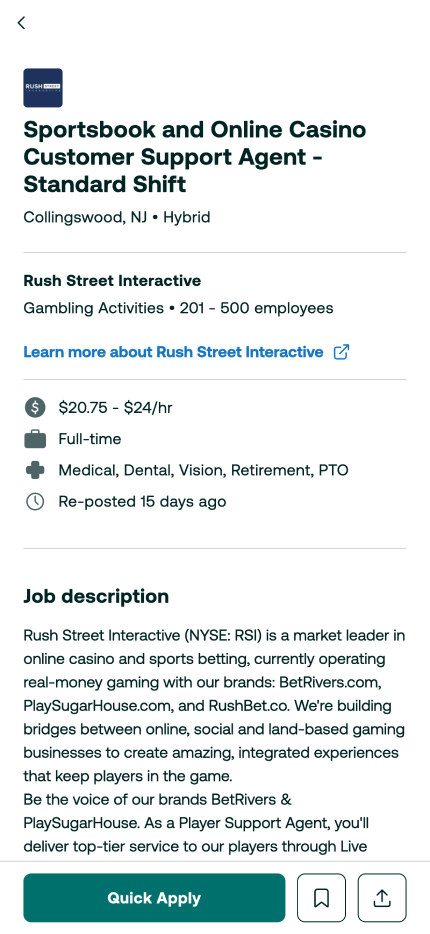
In more regulated markets like Canada, the UK, or Malta, the "agent" title usually maps to a customer service or account management role. These agents handle player disputes, verify KYC documents, process withdrawals, and keep VIP players happy. It's a desk job — sometimes remote, sometimes in an office — and it pays a salary, not commissions.
The distinction matters because it determines everything: how to apply, what skills are needed, and whether the gig is even legal in a given jurisdiction.
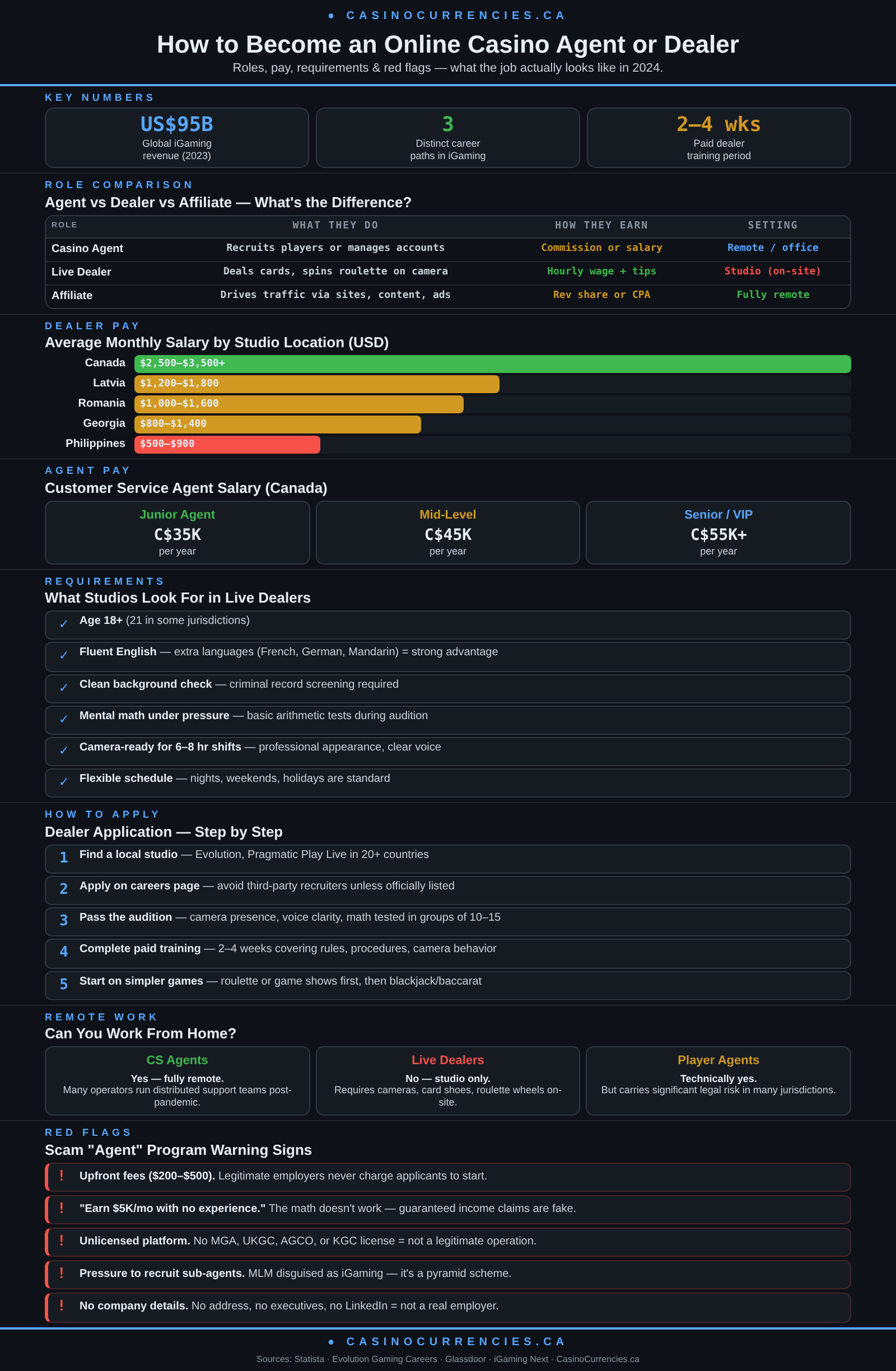
Agent vs Dealer vs Affiliate — Key Differences
People mix these up constantly. Here's a quick breakdown:
| Role | What They Do | How They Earn | Typical Setting |
|---|---|---|---|
| Casino Agent | Recruits players or manages accounts | Commission per player or fixed salary | Remote / office |
| Live Casino Dealer | Deals cards, spins roulette on camera | Hourly wage + tips (where applicable) | Studio (on-site) |
| Casino Affiliate | Drives traffic via websites, content, ads | Revenue share or CPA commissions | Fully remote |
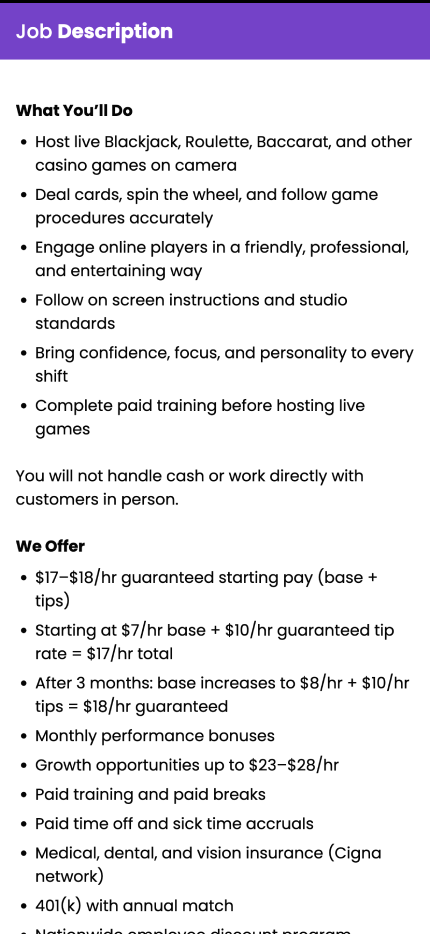
A live online casino dealer sits in a studio — think Evolution Gaming's facilities in Riga, Manila, or Tbilisi — and runs table games streamed to real players. It's a performance job. Dealers must look presentable on camera, handle chips and cards with precision, and follow strict procedural scripts for hours at a stretch.
An affiliate, on the other hand, builds websites or social media channels that send traffic to casino brands. That's a business, not a job — and I've covered it in detail in Online Casino Affiliate Marketing — How It Works & How to Start.
If the idea of starting an actual casino operation interests anyone reading this, I've broken down the full process in How to Start an Online Casino Business.
Requirements and Skills Needed
For Live Casino Dealers
Most major live dealer studios — Evolution, Pragmatic Play Live, Ezugi — have similar hiring criteria:
- Minimum age 18 (21 in some jurisdictions)
- Fluency in English; additional languages like French, German, or Mandarin are a strong advantage
- Clean criminal background check
- Ability to pass basic math tests (mental arithmetic under pressure)
- Comfortable on camera for 6–8 hour shifts
- Professional appearance and clear speaking voice
- Willingness to work nights, weekends, and holidays — players don't stop at 5 p.m.
No casino experience is required at most studios. Evolution, the largest live dealer provider globally, runs its own paid training programs that last 2–4 weeks. According to their careers page, they hire across studios in Latvia, Georgia, Romania, Colombia, the Philippines, and Canada.
For Casino Agents (Customer Service / Account Management)
- Strong written and verbal communication
- Familiarity with KYC/AML procedures (or willingness to learn)
- Experience with CRM tools like Salesforce, Intercom, or Zendesk
- Ability to handle frustrated players diplomatically
- Knowledge of responsible gambling protocols
- Some roles require licensing or background checks depending on the jurisdiction — Ontario's AGCO-regulated market, for example, mandates individual registration for certain positions
For Casino Agents (Player Recruitment — Asia-Pacific Model)
- A personal network or social media following
- Understanding of the platform's commission structure
- In some jurisdictions, this model operates in legal grey areas — I'd strongly recommend checking local laws before signing up
How to Apply — Step by Step
Dealers
- Check studio locations. Live dealer jobs require on-site presence. Evolution operates in over 20 countries. Pragmatic Play Live has studios in Bucharest, Manila, and several other cities. Start with studios in a commutable location.
- Apply directly through the provider's careers page. Don't use third-party recruiters unless they're clearly listed as official hiring partners. Most studios post openings on LinkedIn, Glassdoor, and their own websites.
- Prepare for auditions. Yes — auditions. Studios test camera presence, voice clarity, and math skills. Some do group auditions with 10–15 candidates at a time.
- Complete paid training. If accepted, training covers game rules, dealing procedures, studio protocols, and camera behavior. This is typically 2–4 weeks and is paid.
- Start on simpler games. New dealers usually begin on games like roulette or game shows before moving to blackjack or baccarat, which demand faster card handling.
Customer Service Agents
- Search iGaming job boards. Sites like iGaming Next, Casino Beats, and LinkedIn regularly list agent positions. Filter by "remote" if working from home is the goal.
- Tailor the resume to iGaming. Highlight any customer support experience, dispute resolution skills, and knowledge of payment methods. Mention specific platforms or tools used.
- Apply to operators directly. Large operators like Betway, LeoVegas, and Entain post openings on their careers pages. Smaller operators sometimes post on general job boards.
- Expect a multi-stage process. Most operators run a phone screen, a written test (often scenario-based — "a player says their withdrawal has been pending for 10 days, what do you do?"), and a final interview.
How Agents and Dealers Get Paid
Live dealer pay varies wildly by location. Based on data I've collected from job postings and industry contacts:
| Location | Average Monthly Pay (USD) | Notes |
|---|---|---|
| Latvia (Riga) | $1,200–$1,800 | Evolution's largest studio; competitive for local cost of living |
| Philippines (Manila) | $500–$900 | Lower base, but some studios offer performance bonuses |
| Georgia (Tbilisi) | $800–$1,400 | Growing hub; pay rising as more studios open |
| Romania (Bucharest) | $1,000–$1,600 | Established market with multiple providers |
| Canada (various) | $2,500–$3,500+ | Higher pay reflecting higher cost of living; fewer studio positions |
Customer service agents in regulated markets typically earn C$35,000–C$55,000 annually in Canada, with senior account managers and VIP hosts earning more. Commission-based agent roles in Asia-Pacific markets are harder to pin down — earnings depend entirely on how many active players an agent recruits and retains.
Tips are a factor for live dealers in some markets, though many platforms don't pass tips through to dealers. It's worth asking about tip policies during the interview process.
Working From Home — Is It Realistic?
For customer service agents? Absolutely. The pandemic accelerated remote hiring across the iGaming sector, and many operators now run fully distributed support teams. I've seen postings from Malta-licensed operators hiring remote agents in Canada, South Africa, and several EU countries.
For live dealers? No. The job requires a physical studio with professional cameras, lighting, card shoes, and roulette wheels. There's no remote option — and anyone advertising "work from home as a live casino dealer" is running a scam. Full stop.
For commission-based player agents? Technically yes — the work is done via messaging apps and social media. But this model carries significant legal risk in many jurisdictions. In Canada, recruiting players for unlicensed offshore platforms could violate provincial gambling laws. I'd approach this path with extreme caution and legal advice.
Anyone interested in the broader landscape of working in this industry should also look at How Much Does It Cost to Start an Online Casino — it gives useful context on what operators actually spend, which helps frame what they can afford to pay staff.
Red Flags to Avoid — Scam "Agent" Programs
This is where things get ugly. I've tracked dozens of scam agent programs, and they share common patterns:
- Upfront fees. Legitimate employers don't charge applicants to start. If someone asks for $200–$500 to "activate your agent account," walk away.
- Guaranteed income claims. "Earn $5,000/month from home with no experience" — the math doesn't work, and the people posting these ads know it.
- Unlicensed platforms. If the casino doesn't hold a recognized license — MGA, UKGC, AGCO, Kahnawake Gaming Commission — then the agent role isn't legitimate either. I've explained how to verify licenses in How to Get an Online Gambling License.
- Pressure to recruit sub-agents. This is multi-level marketing dressed up as iGaming. If the business model depends more on recruiting other agents than on actual player activity, it's a pyramid scheme.
- Vague company details. No physical address, no named executives, no LinkedIn presence. Real studios and operators are transparent about who they are and where they operate.
Truth is, the vast majority of "become a casino agent" ads I've seen on Telegram and Facebook — especially those targeting people in developing economies — are exploitative. They promise passive income but deliver unpaid labor, frozen commissions, or worse, legal trouble.
FAQ
Do I need a degree to become an online casino dealer?
No. Most live dealer studios don't require a degree. They run their own training programs. What matters more is math ability, camera presence, language skills, and the willingness to work irregular hours.
Can I work for an online casino from home in Canada?
Yes — for customer service, account management, and some compliance roles. Multiple operators licensed through the AGCO and other provincial regulators hire remote workers in Canada. Live dealer positions always require on-site studio work.
How much does an online casino dealer make in Canada?
Based on current job postings, C$2,500–C$3,500+ per month is typical for studio-based dealer roles in Canada. Salaries vary by studio, experience level, and whether the position includes performance bonuses.
Is being an online casino agent legal?
It depends on the jurisdiction and the platform. Working as a customer service agent for a licensed operator is fully legal. Recruiting players for unlicensed offshore casinos can violate local gambling laws — especially in provinces with regulated markets like Ontario and Quebec.
What's the difference between an online casino agent and an affiliate?
An agent works directly for a casino — either as an employee handling player accounts or as a commissioned recruiter. An affiliate is an independent marketer who drives traffic to casinos through websites, content, or ads and earns commissions based on performance. Affiliates run their own businesses; agents work within someone else's operation.
Are "work from home casino agent" ads on social media legit?
Most are not. Legitimate iGaming companies hire through their careers pages, LinkedIn, or established job boards — not through Telegram groups or Facebook ads promising guaranteed income. If there's an upfront fee or pressure to recruit others, it's almost certainly a scam.